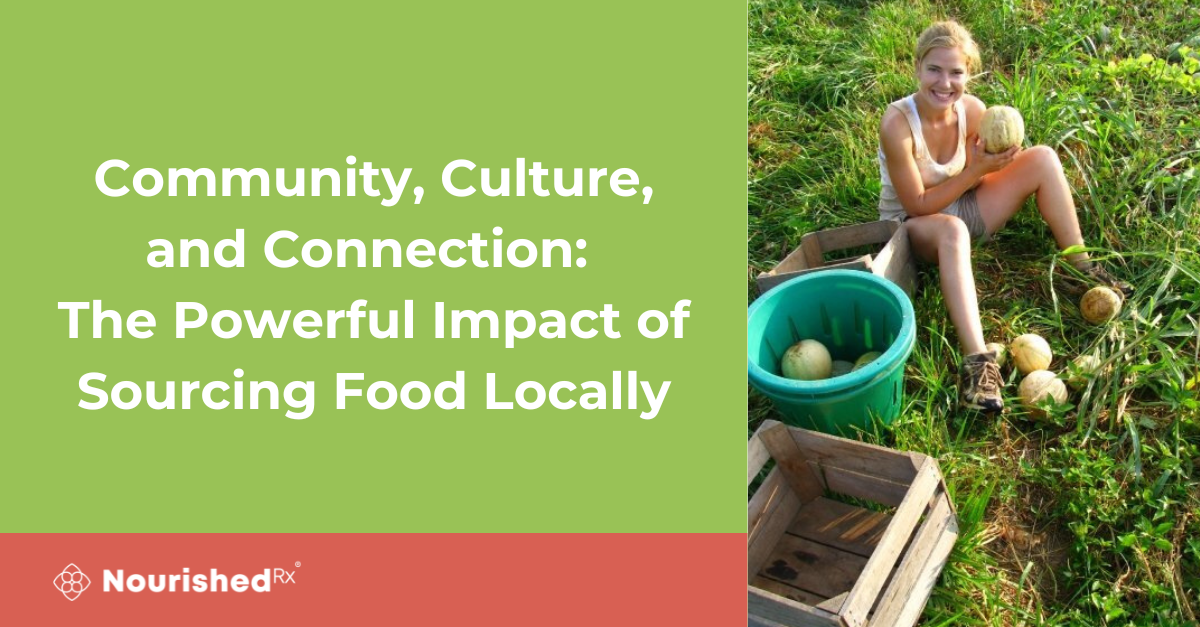
Kendall Kirk, VP of Partnerships, shares how her experience in agriculture shaped NourishedRx's approach to local food sourcing and how it enhances health and community resilience and supports regional economies.
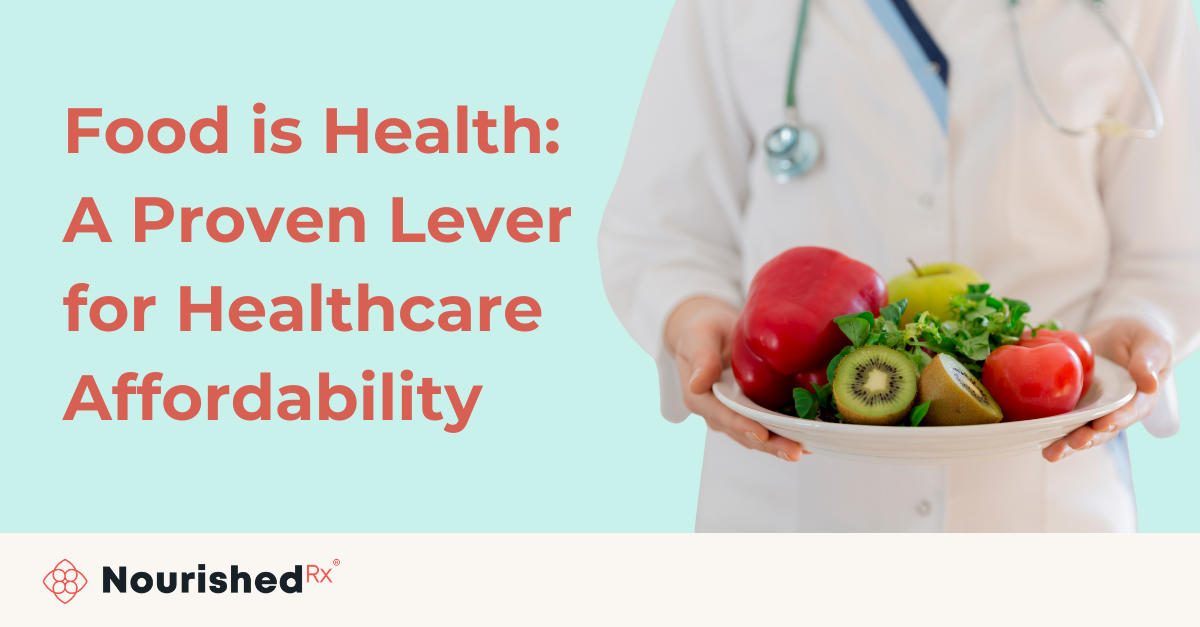
Prioritizing food as a clinical intervention can reduce healthcare costs and improve health outcomes through sustained behavior change and evidence-driven strategies.

Poor nutrition contributes to heart disease, chronic kidney disease, obesity and mental-health disorders, and it undermines wellbeing in communities across the country. Traditional interventions rarely put food at the center of care, and those that do often limit support to short-term meal delivery or produce vouchers. Diet-focused health interventions, or “Food-is-Health” programs, offer a more ambitious solution for payers and providers. They combine medically tailored food with ongoing education, coaching, and social support so that participants can adopt and sustain healthier habits. By meeting patients where they are and addressing both physical and behavioral health, these programs improve outcomes and reduce costs. Importantly, they can be integrated into population-health strategies, disease management, and quality-improvement initiatives.

At NourishedRx, we're on a mission to drive health – one meal, one individual, and one community at a time. And we're proud to say we made some exciting progress in 2024, including closing a Series A funding round and a 142% increase in the new member enrollment in our comprehensive nutrition programs.

As 2024 rushes to an end, I wanted to take time to reflect on the past 12 months at NourishedRx and celebrate our accomplishments as a team. In important ways, it’s been a watershed year for our company and for broader awareness of the transformative power of nutrition in health, chronic illness, sustained wellbeing, and community resilience.

November is Diabetes Awareness Month. Could 2024 be a turning point in the prevention, treatment, and management of this avoidable disease? There are reasons to think so if we take advantage of progress being made across multiple fronts.

Food-as-medicine programs can play a powerful role in helping members manage and sustain their transition to less restrictive or fully independent living situations.

Why does America have the highest per capita healthcare costs in the world and the lowest life expectancy among the most economically prosperous (OECD) nations? Our healthcare system still struggles to effectively prevent, address, and manage chronic illness, especially in vulnerable populations.

April is National Minority Health Month. In addition to helping increase appreciation for the unique health challenges that people from minority communities face, we’d like to draw particular attention to the role of nutrition. The unfortunate reality is that minority communities are disproportionately affected by food deserts, food insecurity, and lack of access to quality food – and this has an outsized impact on their health and well-being.

March is National Kidney Awareness Month. At NourishedRx, we’re proud of the supportive role we play in helping underserved people with chronic kidney disease (CKD) improve their health and live their best lives.

NourishedRx Founder and CEO explores a key problem at the heart of both challenges: lack of access to nutritious food in the land of plenty.

February is American Heart Month. 60 years ago, in February 1964, President Lyndon Johnson established the observance to “give heed to the nationwide problem of the heart and blood-vessel diseases, and to support the programs required to bring about its solution.” Congress supported that proclamation with a joint resolution to make it so.

January 23 is Maternal Health Awareness Day. It’s past time we address one of the biggest failings of American healthcare and make pregnancy safer and healthier for women and newborns, especially those from vulnerable Black, Indigenous, and People of Color (BIPOC) populations.

At NourishedRx, we believe diet and nutrition should be a top priority in promoting diabetes prevention and care – because access to quality food is the most effective way to avoid or limit the impact of diabetes and a doorway to better health and lifestyle change.

Every November 11, we honor the veterans of the United States Armed Forces and express our gratitude for their service and sacrifice. It’s past time we also acknowledge the challenges too many veterans face in getting basic needs met, such as access to quality food and nutrition.

National Hispanic Heritage Month celebrates the history and cultures of people living in America whose ancestors came from Spain, Mexico, the Caribbean, and Central and South America. As we come to the end of that month, we wanted to also acknowledge the socio-economic challenges around food security and nutrition that many Hispanic people in America also experience.

As the founder of a “Food as Medicine” startup, NourishedRx, it was interesting to click on a Pitchbook 3Q Analyst’s Note and see that our sector may be either “overhyped” or the “next frontier.”

.png)


There are many factors involved in food decisions—from structural access barriers, cultural traditions, and family history to personal taste preferences and preparation style. What’s more, achieving life-long change is challenging and complex.